


Mastering the Art of Vintage Jewelry Identification Tips
- josmoon
- Jan 19
- 4 min read
There is something truly magical about vintage jewelry. Each piece carries a story, a whisper from the past, and a charm that modern designs often lack. When I first started exploring vintage jewelry, I was captivated by the intricate details and the history behind every brooch, ring, or necklace. But identifying these treasures can feel like solving a delightful puzzle. Today, I want to share with you some practical and easy-to-follow tips to help you master the art of vintage jewelry identification. Whether you are a curious beginner or a seasoned collector, these insights will guide you gently through the process.
Understanding the Basics of Vintage Jewelry Identification Tips
Before diving into the specifics, it’s important to understand what makes jewelry "vintage." Generally, vintage pieces are those that are at least 20 to 30 years old but less than 100 years old. Anything older is often classified as antique. Knowing this helps set the stage for identification.
When you look at a piece, start by examining its materials. Vintage jewelry often uses precious metals like gold, silver, or platinum. You might also find costume jewelry made from glass, rhinestones, or early plastics like Bakelite. Look for hallmarks or stamps on the back or inside of rings and clasps. These marks can tell you the metal type, purity, and sometimes the maker.
For example, a tiny "925" stamp indicates sterling silver, while "14K" or "585" means 14-karat gold. Some pieces may have a maker’s mark, which can be researched to find the designer or manufacturer. This is where a loupe or magnifying glass becomes your best friend.

Key Vintage Jewelry Identification Tips to Look For
Now, let’s get into some specific tips that will help you identify vintage jewelry with confidence:
Check the Clasp Type
Clasps can reveal a lot about the age of a necklace or bracelet. For instance, a box clasp with a safety latch was common in the 1920s to 1950s. Early screw clasps or barrel clasps often date back to the early 1900s.
Examine the Setting Style
The way stones are set can hint at the era. Prong settings became popular in the 20th century, while bezel settings were more common in earlier periods. Look for hand-set stones, which indicate craftsmanship.
Look at the Design and Motifs
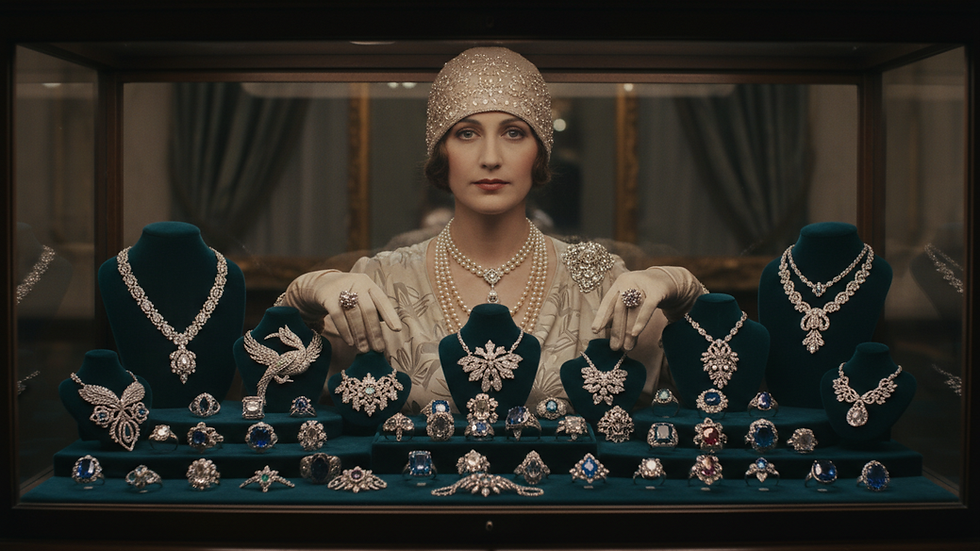
Different decades had distinct styles. The Art Deco period (1920s-1930s) favored geometric shapes and bold lines. The Retro era (1940s) featured large, colorful stones and gold. Floral and nature-inspired designs were popular in the Victorian era.
Feel the Weight and Quality
Vintage pieces often have a solid feel. Costume jewelry might be lighter but still well-made. If a piece feels flimsy or cheaply made, it might be a modern reproduction.
Research the Brand or Maker
If you find a maker’s mark, take time to research it. Many vintage jewelry brands have dedicated collectors and databases online. This can help you verify authenticity and value.
By paying attention to these details, you’ll start to see the unique fingerprint of each vintage piece.
Tools and Resources to Help You Identify Vintage Jewelry
Identifying vintage jewelry is easier when you have the right tools and resources at hand. Here are some essentials I recommend:
Jeweler’s Loupe or Magnifying Glass: A 10x magnification loupe helps you see tiny details like hallmarks and stone settings.
Jewelry Identification Books: Books like "Kovels’ New Dictionary of Marks" or "The Complete Jewelry Dictionary" are invaluable.
Online Databases and Forums: Websites dedicated to vintage jewelry, such as the National Association of Jewelry Appraisers or specialized Facebook groups, offer community support and expert advice.
Testing Kits: Acid testing kits can help determine metal purity, but use them carefully or seek professional help.
Lighting: Good lighting is crucial. Natural daylight or a daylight lamp reveals true colors and details.
Using these tools, you can examine your pieces more closely and make informed judgments.

How to Care for and Preserve Your Vintage Jewelry
Once you’ve identified your vintage treasures, caring for them properly is essential to keep their beauty intact. Here are some gentle tips:
Clean with Care: Avoid harsh chemicals. Use a soft cloth and mild soap with warm water. For delicate stones, a soft brush can help remove dirt.
Store Properly: Keep pieces in individual soft pouches or lined boxes to prevent scratches. Avoid exposure to sunlight and humidity.
Handle Gently: Vintage jewelry can be fragile. Always handle with clean hands and avoid wearing pieces during strenuous activities.
Regular Inspections: Check for loose stones or worn clasps. If you notice damage, take the piece to a professional jeweler experienced in vintage repairs.
Avoid Over-Polishing: Polishing too often can wear down metal and reduce value. A gentle polish once in a while is enough.
By treating your vintage jewelry with respect, you preserve not only its appearance but also its story.
Finding Vintage Jewelry and Building Your Collection
If you’re inspired to start or grow your own collection, there are wonderful places to explore. Antique shops, estate sales, auctions, and flea markets are treasure troves. Online platforms also offer a wide range of vintage pieces.
One of my favorite spots to find authentic and beautifully curated vintage jewelry is the josmoon vintage shop. They offer a carefully selected collection that reflects the charm and history of vintage styles.
When shopping, remember to:
Ask questions about the piece’s history and condition.
Request clear photos or see the item in person if possible.
Verify return policies and authenticity guarantees.
Trust your instincts and enjoy the thrill of discovery.
Building a collection is a journey filled with joy and nostalgia. Each piece you add becomes a part of your personal story.
Embracing the Stories Behind Vintage Jewelry
Vintage jewelry is more than just adornment. It’s a connection to the past, a way to carry history with you. When you wear a vintage brooch or ring, you’re sharing in the lives of those who cherished it before you.
I encourage you to take your time, enjoy the process of learning, and let each piece speak to you. Whether it’s a delicate Art Nouveau pendant or a bold Retro cocktail ring, these treasures invite us to slow down and appreciate beauty that transcends time.
So, next time you come across a vintage piece, remember these tips and dive into the fascinating world of vintage jewelry identification. You might just uncover a gem that becomes your new favorite.
Happy hunting and happy collecting!


Comments